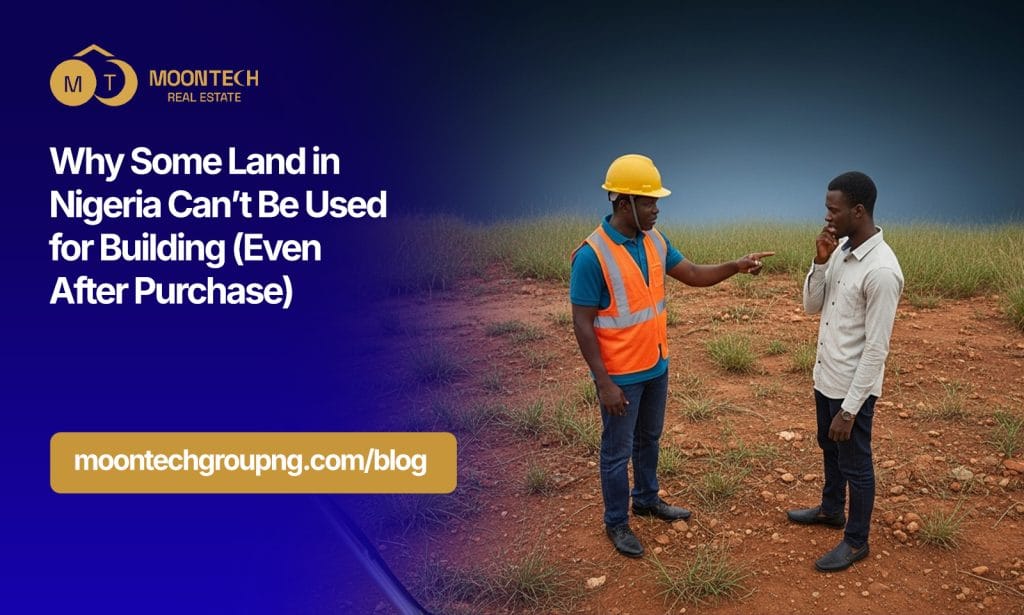

Cheap land is attractive. It feels like a smart entry point into Real Estate, especially for first-time buyers trying to secure property without stretching their finances.
In many cases, the decision seems logical. Lower price means lower risk. But in Nigerian Real Estate, cheap land often comes with hidden costs that only become visible after purchase.
Understanding why cheap land in Nigeria is usually expensive in the long run can help buyers avoid decisions that lead to frustration, delays, or financial loss.
Why Cheap Land Is So Attractive to Buyers
Price is one of the strongest drivers of decision-making.
When buyers see land priced significantly below surrounding areas, it creates urgency and excitement. It feels like an opportunity to get ahead before prices rise.
For many people:
- It is their first property purchase
- It fits within their current budget
- It appears to offer high appreciation potential
The problem is that price alone does not explain why land is cheap.
Cheap Land Often Reflects Underlying Limitations
Land is rarely cheap without a reason.
Lower pricing is often linked to factors such as:
- Poor accessibility
- Lack of infrastructure
- Distance from economic activity
- Planning or zoning restrictions
- Documentation uncertainty
These factors directly affect usability and long-term value.
Buyers who focus only on price often overlook these limitations.
Infrastructure Delays Can Stall Growth
Many buyers purchase cheap land in areas expected to develop in the future.
The assumption is that infrastructure will eventually reach the area and increase property value.
While this can happen, the timeline is uncertain.
Some areas take years before:
- Roads are constructed
- Electricity becomes stable
- Drainage systems are developed
During this period, land may remain unused and difficult to resell.
Cheap land tied to uncertain infrastructure often requires patience that many buyers did not initially plan for.
Documentation Issues Increase Risk
Another major reason cheap land exists is weak or incomplete documentation.
In some cases, land may be:
- Under government acquisition
- Not properly registered
- In conflict with layout approvals
- Linked to multiple claims
These issues are not always obvious at the point of sale.
Before purchasing, buyers should follow a structured verification process. Our guide on How to Verify Land Titles in Nigeria
explains how to confirm documentation properly.
Cheap land with unresolved documentation can become expensive to correct later.
Survey and Location Problems
A piece of land may appear attractive during inspection but still have technical issues.
For example:
- The survey coordinates may overlap another plot
- The land may fall within a restricted planning zone
- Part of the land may lie within a road alignment
These issues often surface when the buyer attempts to build.
You can understand how survey verification works in Survey Plan in Nigeria: Why Every Property Buyer Needs One
Location clarity is just as important as price.
Hidden Costs Beyond the Purchase Price
Cheap land can lead to additional costs that are not immediately obvious.
These may include:
- Cost of resolving documentation issues
- Extra expenses for site preparation
- Increased transportation costs during construction
- Delays that affect project timelines
By the time these costs are added, the initial “cheap” purchase may no longer be economical.
Limited Demand at Resale
Resale value depends on demand.
Land in areas with:
- Poor accessibility
- Limited development
- Unclear planning structure
may attract fewer buyers when you decide to sell.
This reduces liquidity and may force sellers to accept lower prices.
Cheap land is not always easy to convert back into cash.
The Difference Between Cheap and Undervalued
Not all low-priced land is a bad investment.
There is a difference between:
- Cheap land with structural problems
- Undervalued land with strong fundamentals
Undervalued land may be priced lower due to early-stage development but still has:
- Clear documentation
- Good layout planning
- Access to future infrastructure
The key is understanding why the price is low.
How Careful Buyers Evaluate Price
Buyers who avoid costly mistakes look beyond price.
They ask:
- What is driving this price difference?
- What is the development plan for this area?
- Is the documentation strong and verifiable?
- How long am I willing to hold this property?
These questions shift the focus from price to value.
A Smarter Way to Approach Land Purchases
Instead of chasing the lowest price, buyers should aim for:
- Verified documentation
- Clear survey alignment
- Reasonable accessibility
- Alignment with long-term goals
Land that meets these criteria may not be the cheapest, but it is more likely to hold and grow value over time.
What Experienced Buyers Understand
Experienced buyers recognize that price is only one part of the equation.
They understand that:
- Cheap land often comes with trade-offs
- Long-term value depends on fundamentals
- Verification matters more than urgency
In Nigerian Real Estate, decisions driven purely by price often lead to avoidable challenges.
Careful evaluation before purchase helps ensure that the land you buy remains an asset rather than a burden.