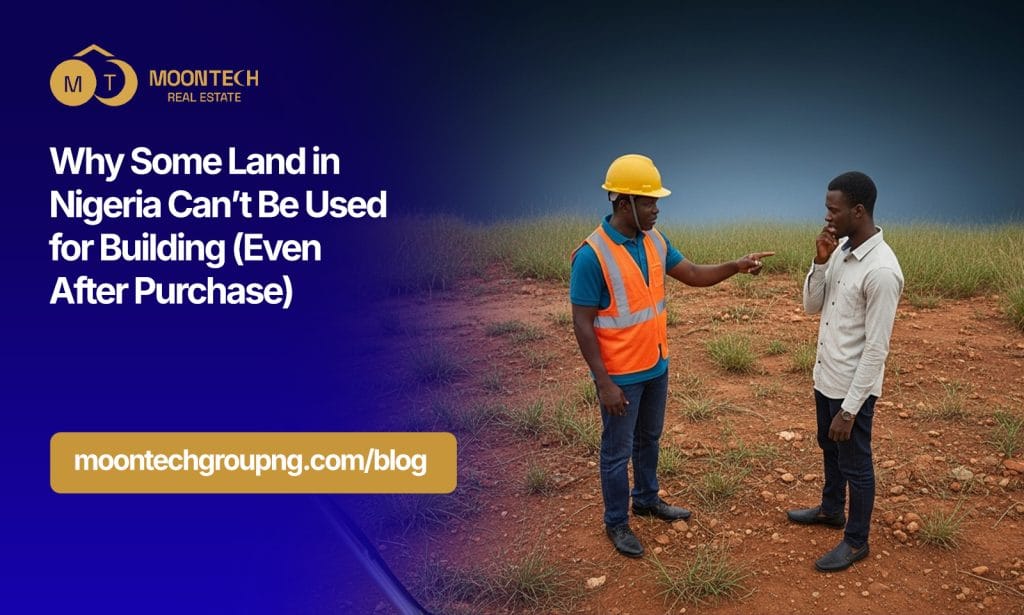

Buying land in Nigeria often feels like the finish line. After weeks or months of searching, negotiating, and making payment, many buyers relax, assuming the hard part is over.
In reality, buying land is only the beginning.
What you do after you buy land in Nigeria determines whether your ownership is secure, whether you can build without issues, and whether your investment holds value over time. Many of the problems buyers face do not come from the purchase itself, but from the steps they ignore afterward.
This article explains the critical actions most buyers overlook after paying for land and how to handle them properly.
Secure All Original Documents Immediately
After payment, your first responsibility is to collect and secure all relevant documents.
These typically include:
- Receipt of purchase
- Survey plan
- Title documents
- Draft or executed Deed of Assignment
Buyers sometimes delay collecting documents or accept incomplete documentation with the promise that the rest will be provided later.
That delay creates risk.
Ensure that all documents are complete, properly signed, and safely stored. Ownership begins with documentation, not just payment.
Execute the Deed of Assignment Properly
Payment alone does not transfer ownership.
A Deed of Assignment must be prepared, signed by both parties, and witnessed. This document legally transfers the seller’s interest in the land to you.
If this step is skipped or poorly handled, ownership remains unclear.
You can understand the importance of this document in What Is a Deed of Assignment in Nigerian Real Estate
The quality of this document often determines how secure your ownership is in the future.
Register the Transaction With the Land Registry
After signing the Deed of Assignment, the next step is registration.
Registration ensures that:
- The government recognizes the change of ownership
- Your name is linked to the property in official records
- Future disputes are easier to resolve
In many cases, buyers stop at documentation and never complete registration. This leaves ownership partially formalized.
Registration strengthens your legal standing.
Confirm Survey and Boundary Alignment Again
Even after purchase, it is important to confirm that the physical land matches the survey documentation.
This may involve:
- Reconfirming beacon positions
- Verifying coordinates
- Ensuring no overlap with neighboring plots
Mistakes at this stage can affect future development.
For a deeper understanding of survey importance, see Survey Plan in Nigeria: Why Every Property Buyer Needs One
Clear boundaries prevent disputes and confusion later.
Take Physical Possession of the Land
Ownership should be both documented and physical.
Buyers should take steps to establish presence on the land. This may include:
- Visiting the site regularly
- Clearing the land
- Marking boundaries
- Installing temporary structures if necessary
Unattended land is more vulnerable to encroachment or unauthorized use.
Physical presence reinforces ownership.
Verify That the Land Is Ready for Development
Many buyers assume that once land is purchased, building can begin at any time.
Before planning construction, confirm that:
- The land is not under acquisition
- Zoning allows your intended use
- There are no layout restrictions
Failure to verify these factors can delay development.
You can learn more in Why Some Land in Nigeria Can’t Be Used for Building
Usability matters as much as ownership.
Begin Planning for Building Approval Early
If you intend to build, the next step is preparing for building approval.
This involves:
- Engaging an architect
- Preparing building drawings
- Submitting plans to the appropriate authority
Approval processes take time, so early preparation helps avoid delays.
Our guide on How Long Does Building Approval Take in Nigeria explains what to expect during this stage.
Keep All Records Organized
Property ownership involves multiple documents over time.
Buyers should maintain a structured record of:
- Purchase documents
- Transfer documents
- Registration records
- Survey details
- Approval documents
Organized records make future transactions smoother, whether you plan to build, sell, or transfer ownership.
Avoid Leaving the Land Idle for Too Long
Land that remains unused for extended periods can create challenges.
These may include:
- Encroachment by others
- Boundary disputes
- Difficulty identifying original markers
Regular site visits and basic maintenance help reduce these risks.
Think Beyond Purchase
Buying land is one stage of a larger process.
After purchase, buyers should begin thinking about:
- Development plans
- Long-term investment goals
- Exit strategies if resale is considered
This forward planning helps align your decisions with your financial objectives.
What Careful Buyers Do Differently
Buyers who avoid post-purchase problems follow a consistent approach.
They complete documentation immediately.
They register their ownership properly.
They verify boundaries and usability.
They plan development early.
These steps are not complicated, but they require attention and discipline.
In Nigerian Real Estate, what happens after you buy land often matters more than the purchase itself. Buyers who handle this stage properly protect both their ownership and the future value of their investment.